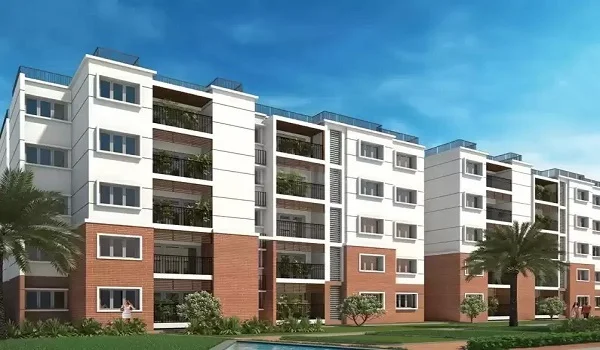
What Are Hidden Costs When Buying Nambiar Property

Featured Image of What Are Hidden Costs When Buying Nambiar Property


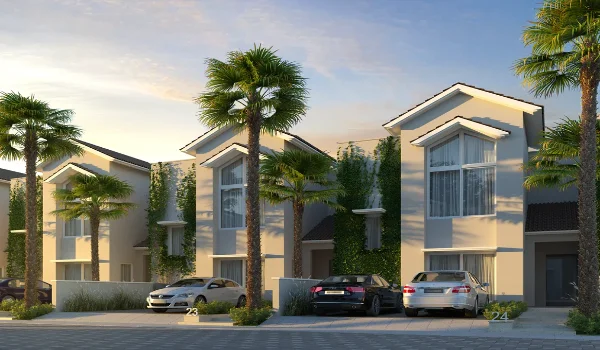
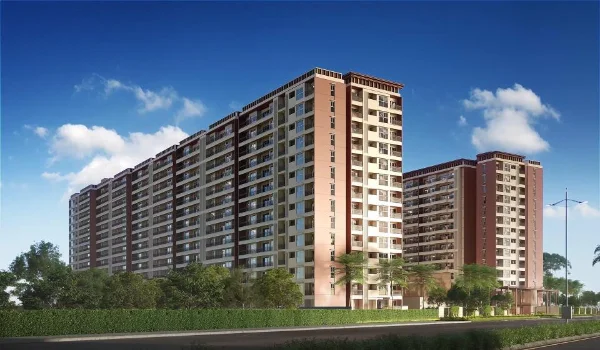
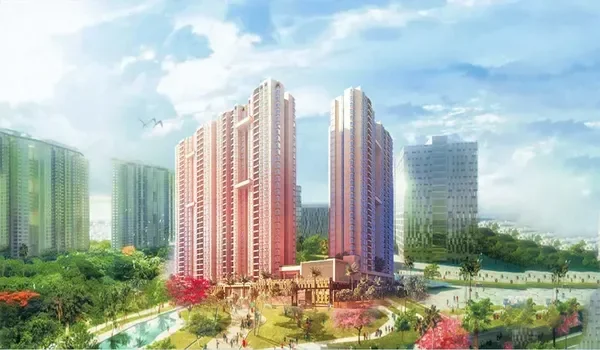
The hidden costs when buying a Nambiar property include extra fees like stamp duty, registration fees, GST, parking charges, and maintenance deposits. For example, a premium project like Nambiar Beverly Park requires a careful review of all extra costs to avoid budget shocks. This luxury 76-acre villa plot community is located at Bilwaradahalli on Bannerghatta Road in South Bangalore. The project's K-RERA status has been applied for, and approval is expected soon. The pre-launch was on August 10, 2026, and the official launch is planned for August 20, 2026. Phase 1 is expected to be ready by January 15, 2031.
What Are Hidden Costs in a Nambiar Property Purchase?


Hidden costs are expenses that may not always be included in the advertised base price of a property. They can increase the final amount you pay for your apartment, villa, or plot.

1. Stamp Duty and State Levies


Stamp duty is a tax you pay to the government to shift property ownership to your name. In Bangalore, this fee ranges from 2% to 5% of the total property value based on your location. You must pay this entire amount in cash before your sale deed registration can happen. Leaving this cost out of your budget can cause big cash flow problems later.

2. Property Registration Charges


Registration charges are an extra cost when buying a property in Bangalore. You need to register the sale deed with the government to make the property officially yours. This fee is not included in the basic property price, so keep some extra money aside for registration when planning your budget.

3. GST on Under-Construction Projects


If you are buying an under-construction property, GST may apply depending on the property type and applicable tax rules.

Property Type GST Rate Tax Credit
Affordable Homes (< ₹45 Lakhs) 1% None
Luxury Villas 5% None
Ready Properties with CC 0% None

For projects like Nambiar Beverly Park, buying a ready unit after the CC means you save a massive amount of cash.

4. Mandatory Parking Space Allocation Charges


Parking may come with an additional cost, depending on the project and the type of parking provided. For example, buyers may have to pay separately for a designated car parking space. Ask the sales team whether parking is included in the quoted property price or charged separately.

5. Advance Maintenance Deposit (AMD)


Builders may ask for maintenance charges for 12 to 24 months before handing over the keys. This money helps pay for services like security, common-area lights, cleaning, waste collection, and garden maintenance. It helps keep the society running until the residents’ welfare association (RWA) takes over. The amount usually depends on the size of your home.

6. Corpus Fund or Sinking Fund


A sinking fund is a mandatory, non-refundable reserve fund collected when you take possession of your home. This money is kept safe in a separate bank account to pay for major building repairs down the line. It funds large future projects like replacing lifts or repainting the entire community. This fund protects the property and keeps its market value from dropping over time.

7. Statutory Utility and Electrification Connection Charges


New homes may have additional charges for electricity, water, sewage, gas, or other utility connections.

These costs can sometimes be included in the overall project charges, while in other cases they may appear separately in the cost sheet.

Before signing the agreement, ask for a complete list of utility-related charges.

8. Legal Verification and Documentation Fees


Legal fees cover the cost of hiring an independent lawyer to verify all property land deeds and check the contracts. Checking old ownership records, land usage certificates, and encumbrance certificates requires professional skills. Spending money on this step protects you from future land disputes. It proves that the property is completely safe to buy.

9. Comprehensive Interior Fit-Out and Furnishing Capital


The builder’s basic cost usually covers the main structure of the home, but you may need to spend more on interiors before moving in. Many buyers spend around 10% to 15% of the home price on things like a modular kitchen, wardrobes, lights, fans, and better bathroom fittings. So, keep a separate budget for these expenses. Regular home loans usually do not cover interior work or loose furniture.

10. Floor Rise and Preferential Location Charges (PLC)


Preferential Location Charges (PLC) are extra fees added to specific units that offer better views or better placement in the project. Floor rise fees increase for each floor you go up in a tall building because higher floors give you better air and privacy.

  • Better Views: Flats facing a park, garden, or swimming pool may cost extra.
  • Vastu Preference: East-facing homes or corner units may have a higher price.

11. Clubhouse Membership and Amenity Access Fees


Access to elite clubs, swimming pools, gyms, and sports courts is granted through a one-time clubhouse entry fee. This fee covers the high cost of buying gym machines and setting up luxury lounge spaces. Always look at your cost sheet to see if this access lasts for a lifetime or needs yearly renewal fees.

12. Home Loan Processing and Banking Levies


Financing your home with a bank loan brings up multiple extra processing fees that you must pay to the lender.

  • Loan Processing Fees: Charges that range from 0.25% to 1% of your total loan amount.
  • Technical Evaluation Fees: Fees paid to bank engineers who visit the site to check construction quality.
  • Legal Scrutiny Fees: Fees for the bank’s own lawyers who check the property documents for safety.
  • MODT Charges: A mandatory government tax to register the bank's financial link to the property.

13. Pre-EMI Interest Accumulated During Construction


Pre-EMI is the monthly interest you pay to the bank on the partial loan amounts given to the builder during construction. For under-construction homes, this interest does not reduce your actual loan balance. You need to keep extra cash ready for these monthly payments if you are also paying house rent at the same time.

14. Transactional Modification and Booking Cancellation Fees


Changing your booking details or cancelling a property purchase may involve charges depending on the agreement. For example, changes to the apartment, payment plan, buyer details, or other booking terms may have specific conditions. Read the booking form and agreement carefully before signing them.

15. Recurring Post-Possession Holding Costs


Your financial duties do not stop once you get the keys to your new home. You must budget for regular monthly community upkeep bills and annual municipal property taxes. It is also smart to buy home insurance to protect your building from natural disasters or accidents.

FAQs


1. What is the current stamp duty rate for buying a home in Bangalore?

The stamp duty rate for homes priced above ₹45 Lakhs in Bangalore is 5% of the total property value, plus extra local taxes.

2. Do I have to pay GST on a ready-to-move-in luxury villa?

No, you do not pay GST on ready-to-move-in villas if the builder has already received the official Completion Certificate (CC).

3. What is the main use of a property sinking fund?

A sinking fund is used to pay for major future repairs like replacing lifts, fixing roofs, or repainting the entire housing society.

4. Can I get my loan processing fee back if the bank rejects my application?

No, bank processing fees are non-refundable because the bank uses that money to cover the cost of checking your documents and files.

5. How do builders calculate floor rise charges in tall buildings?

Floor rise charges are added as a small extra cost per square foot for each floor you go up to match the better views and fresh air.

Enquiry
Enquire Now