Car Parking Charges in Apartments
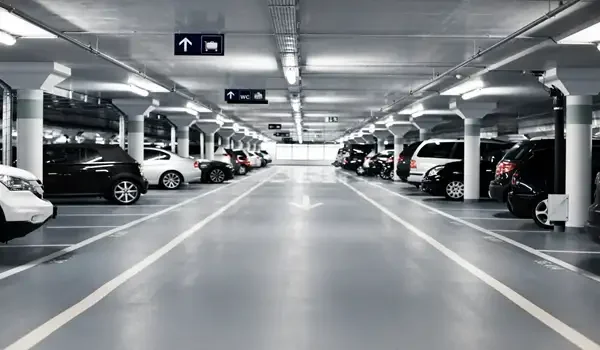
Featured Image of Car Parking Charges In Apartments


Car parking charges in apartments are the extra fees you pay to get a safe, fixed spot for your car in a housing society. These costs change heavily based on your city, the area, and the type of building structure you choose. When you look at luxury spaces like Nambiar Beverly Park. Knowing these exact timelines helps you plan your home budget without facing sudden price shocks later on.

An overview of these real estate rules shows that vehicle spaces are highly regulated by law. Builders cannot sell open ground areas as separate property items, but fully covered indoor slots do have an independent price tag. The final cost of a flat is never just the basic square-foot price of the rooms. It always includes extra local development taxes, shared amenities, and your specific vehicle slot allocation. Reading the official cost sheet from your builder carefully will save you from major financial surprises. Let us look closely at the local rules, average prices, common traps, and easy ways to save money when buying your flat.
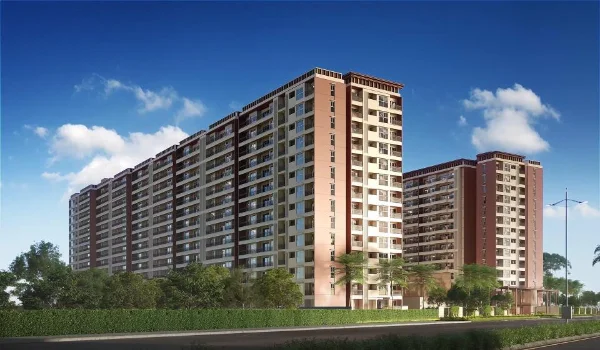
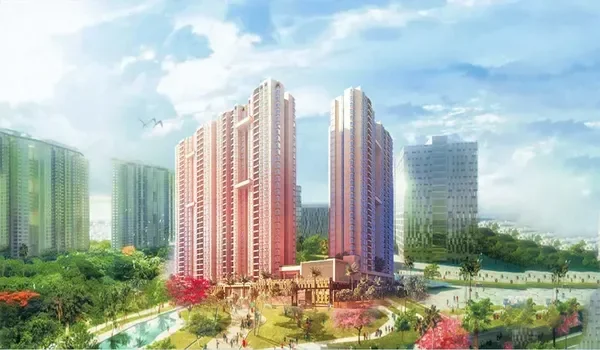
Project Overview and Quick Details


  • Project Name: Nambiar Beverly Park
  • Location: Bilwaradahalli, Bannerghatta Road, South Bangalore
  • Project Size: 76-acre luxury villa community
  • RERA Status: Applied, approval expected by 20 August 2026
  • Launch Date: 20 August 2026
  • Possession Date: 15 January 2031

What Are Car Parking Charges in Apartments?


Car parking charges are the exact amount of money you pay to secure a dedicated space for your vehicle inside your residential building block. Most modern housing towers offer these spaces in underground basements, ground floors, open yards, or raised concrete decks.

  • Fixed Space Allocation: The fee gives you a numbered spot linked directly to your apartment door number.
  • Building Cost Share: It helps pay for the thick concrete slabs, wide driveways, and security gates.
  • Daily Maintenance Fund: The money supports bright lights, fresh air fans, and regular floor washing in the parking zone.
  • Safe Legal Use: It gives you the sole right to use that specific spot without anyone else blocking it.

Is Car Parking Included in the Apartment Price?


No, car parking is usually not part of the basic property rate because builders separate the room costs from common building facilities. Every home buyer must read the final pricing sheet to see if the parking fee is bundled up or billed as an extra item.

  • Basic Property Rate: This price covers only the indoor carpet area of your rooms and the basic brick walls.
  • Extra Society Facilities: Club entry, swimming pools, and gym spaces are billed on top of the base rate.
  • Cost Sheet: A clear cost sheet shows the base price, car parking charges, and floor-rise charges separately.
  • Government Taxes: You also need to pay extra charges such as GST, stamp duty, and property registration fees.
Fee Type Part of Base Price? Financial Budget Impact
Base Flat Rate Yes Primary cost element
Car Parking Fee Frequently Separate Medium to High addition
Clubhouse Access Separate Fixed one-time cost
GST & Court Fees Never Included Mandatory Government Tax

How Much Do Car Parking Charges Usually Cost?


Car parking charges usually range between ₹2,00,000 and ₹7,00,000 for a single vehicle slot across major city markets in India. The final price changes based on your city tier, the prime location of the tower, and whether your slot has a solid roof over it.

  • Premium Location Rates: Apartments in prime city areas usually charge more for parking, especially for more than one car.
  • Construction Costs: Underground basement parking can cost more because it requires extra construction work. Open parking is usually cheaper.
  • Suburban Rates: Apartments in developing suburban areas generally have lower parking charges compared to projects in prime city locations.
  • Buying Extra Slots: Adding a second or third car slot will increase your total bill rapidly based on available space.

Types of Car Parking in Apartments


1. Basement Parking

Basement parking is common in large residential communities. Cars are parked below the residential towers, which keeps vehicles protected from direct sunlight and rain. However, buyers should check the basement layout, entry and exit points, ventilation, lighting, and distance from the apartment tower.

2. Stilt Parking

Stilt parking uses the open ground floor of a building to park vehicles neatly right underneath the active flats. This layout offers quick entry and exit because drivers do not have to drive down steep underground curves. It provides excellent fresh air flow but can limit the total number of cars the building can hold.

3. Podium Parking

Podium parking is a parking area built on raised levels near the bottom of an apartment building. It helps save space and leaves more ground area for gardens and children’s play areas. Residents may need to use lifts or ramps to reach the parking area, so these should be easy to use and well maintained.

4. Open Parking

Open parking spaces are located outside the main building structure. They may be easier to access, but vehicles are more exposed to weather conditions.

5. Covered Parking

Covered parking provides protection from sunlight and rain. It can be useful for homeowners who want better protection for their vehicles.

What Is the Difference Between a Parking Slot and Parking Charges?


A parking slot is the physical, painted piece of ground where you leave your car, while parking charges are the real money you pay to secure that space.

  • The Physical Spot: The slot has clear white paint lines, a distinct number, and exact length measurements.
  • The Money Paid: The charge is the explicit fee paid to the developer to gain exclusive use of that zone.
  • Property Ownership Rules: You get a lifetime right to use the spot, but the land stays part of the shared society area.
  • Paperwork Proof: Your specific parking slot number must be printed clearly inside your legal flat allotment letter.

Can Buyers Get More Than One Parking Space?


Yes, buyers can buy multiple parking slots if the builder has extra spaces left over and allows multi-slot sales for large flat designs.

  • Large Flat Multi-Allocations: Premium 3 BHK, 4 BHK, and top-floor penthouses often come with two car spaces by default.
  • Buying Extra Space: If your family owns two or three cars, you can apply for an extra slot during the initial booking stage.
  • Back-to-Back Tandem Spots: Extra slots often come as tandem spaces, where two cars park right behind each other in one long line.
  • Vertical Hydraulic Lifts: Some modern societies use stack lift systems to park two cars vertically in a single ground slot.

What Should You Check Before Paying Parking Charges?


You must verify a few technical points before handing over money for a vehicle slot to avoid arguments with the society later.

1. Check the Official Cost Sheet Details:

Read the builder's payment layout carefully to see if the parking price matches your spoken quote. Ensure it is not mixed up with vague maintenance headings.

2. Visit the Physical Spot in Person:

Walk down to the basement or ground floor to see your assigned slot number. Make sure it is not blocked by large concrete pillars or water pipes.

3. Check the Real Width and Roof Height:

Ensure the painted space is wide enough for a large modern SUV to drive in easily. Low roofs or tight wall corners can make daily parking very difficult.

4. Test the Distance to the Main Elevators:

Measure how long it takes to walk from your car spot to the nearest residential lift. Long walks can be a major pain when carrying heavy bags of groceries.

5. Get the Spot Number Stamped on the Deed:

Insist that your exact vehicle spot number is written into the final registered sale paper. Never trust simple verbal promises made by real estate sales agents.

Are Parking Charges Refundable?


No, car parking fees are usually non-refundable once your property deed is registered and the building is complete. If you back out of a flat purchase early, the money return follows the basic rules of your builder contract.

  • Early Cancellation Losses: Builders often keep a small part of your advance money if you cancel a booking late.
  • Local RERA Legal Guidelines: State real estate laws provide clear timeline paths for getting your booking money back.
  • Selling Your Property Later: When you sell your flat to a new buyer, your parking rights move to them automatically.
  • No Outside Slot Sales: You cannot legally sell your private parking slot to an outside stranger while keeping your flat.

Parking Charges and Other Apartment Costs


Parking fees are only one part of the extra expenses you must track when buying a new home. You need to look at the whole picture to calculate your true moving-in budget.

  • Goods and Services Tax: Modern GST applies directly to all under-construction flat sales across India.
  • State Stamp Duty Fees: A mandatory government tax you pay to move the property records into your name.
  • Court Registration Rates: Fixed processing fees paid to the local land registry court to seal the deal.
  • Long-Term Corpus Fund: A collective savings pool used by the society to replace old elevators or repaint walls.
  • Advance Maintenance Fees: Upfront money collected by builders to run security, lights, and cleaners for the first few years.

Why Parking Matters When Buying an Apartment


A well-designed parking spot keeps your expensive car safe from body scratches and increases the market price of your home. Flats paired with top-tier parking spaces get premium rental tenants easily and sell quickly in competitive resale markets.

  • Car Paint Protection: Enclosed roofs protect your vehicle's gloss, tires, and internal parts from wild weather.
  • No Street Parking Stress: Save yourself from daily street parking fights, traffic fines, or long walks in the rain.
  • Continuous Guard Security: Allotted zones feature 24/7 security cameras, bright floodlights, and guard patrols.
  • Faster Property Resale: Future buyers prefer buying houses that come with clear, legally documented car spots.

Tips to Save Money on Apartment Parking


You can keep your moving-in costs under tight control by looking at your actual vehicle needs before signing the final purchase papers.

  • Drop Extra Unused Spots: Do not buy a second car slot if your family plans to use only one vehicle for daily travel.
  • Ask for Bundled Discounts: Request package price cuts when buying high-value flats during festival sales drives.
  • Choose Covered Ground Spots: Pick an outdoor covered roof spot over a deep underground basement slot to save quick cash.
  • Buy in the Early Launch Phase: Booking a home during early launch offers helps you get waived amenity fees from builders.

FAQs


1. Can a builder sell open ground parking spots for cash?

No, builders cannot legally sell open surface parking spaces under Indian real estate laws. Open ground areas belong collectively to all residents as shared common property.

2. What happens if my car is too big for the allotted slot?

You must point out size issues to your developer before registering the final house deeds. Once the papers are sealed, changing your assigned spot is very difficult.

3. Do I have to pay GST on my car parking fees?

Yes, GST applies if you buy your parking slot along with an under-construction apartment unit. It is treated as one complete package service by the tax department.

4. Can I rent out my apartment car spot to an outside stranger?

No, housing society safety rules do not allow you to lease out your private parking slot to outsiders. You can only rent it to fellow residents living in your building.

5. What is a mechanical stack parking system?

A mechanical stack system uses automated electric lifts to raise one car into the air so a second vehicle can park right underneath it. This system saves massive ground space but requires regular oiling and servicing.

Enquiry
Enquire Now