Green Building Certifications and Sustainability
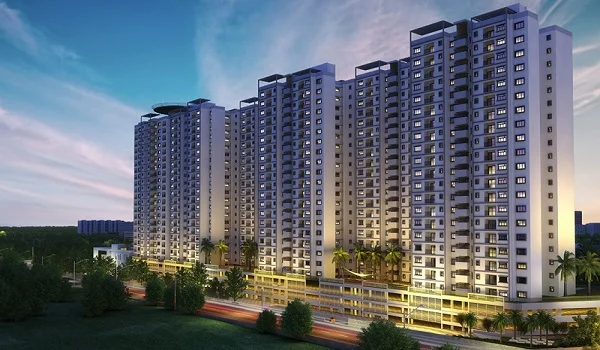
Featured Image of Green Building Certifications and Sustainability


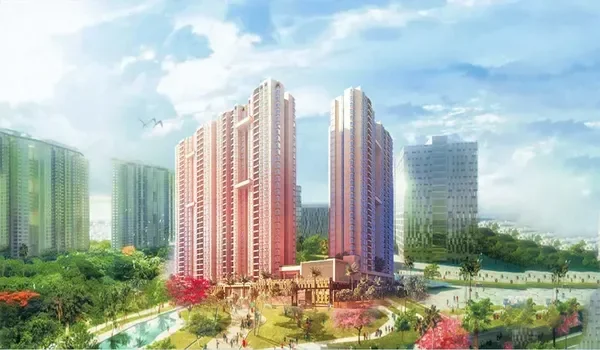
Green building certifications show that a building is made with the environment in mind. They check things like water use, electricity use, waste, and the materials used to build the property. For homebuyers, a green home can help save water and power, keep the home fresh and comfortable, and reduce waste. Projects like Nambiar Beverly Park also focus on modern and eco-friendly living. Features such as solar power, rainwater harvesting, and water recycling can make everyday living more efficient and better for the future.
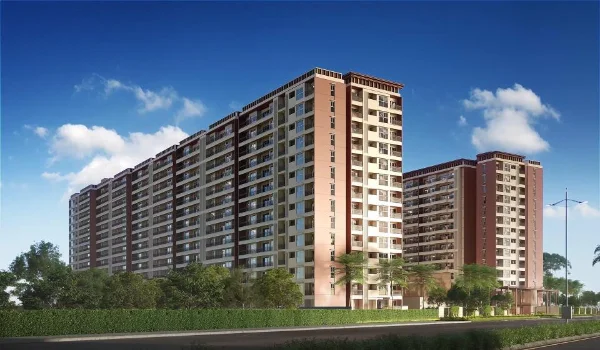
What Is a Green Building?


A green building is a home designed to use natural resources very carefully. The main goal is to stop resource waste while keeping the indoor spaces comfortable and safe. These buildings are shaped and positioned to match the local weather, which helps keep them naturally cool.

Green homes use simple, smart features to save resources:

  • Solar Panels: These sit on the roof to make free, clean power for common areas, elevators, and water pumps.
  • Rainwater Tanks: These systems collect rain from the roof, clean it, and store it underground for daily use.
  • Water Recycling: The building cleans used shower and sink water so it can be used again to flush toilets and water gardens.
  • LED Lights: Bright, low-power lights and automatic sensors reduce electricity waste in hallways and parking lots.
  • Fresh Air Design: Large windows and smart layouts let in plenty of natural daylight and cool breezes.
  • Safe Materials: Builders use eco-friendly bricks, certified wood, and paints that do not give off harmful chemical smells.

What Are Green Building Certifications?


Green building certifications are awards given by independent groups to properties that pass strict environmental tests. Experts check the building plans and the actual site during construction to make sure the work matches green standards. This strict review process ensures that the builder is telling the truth about their eco-friendly claims.

For property buyers, these ratings give a clear idea of how eco-friendly a building is. They check things like water use, energy saving, waste management, and indoor air quality. A certified property follows set green building standards, so buyers can better understand its environmental features. It may also help save water and electricity over time.

Common Green Building Certifications in India


India has several green building rating systems. Some of the commonly known ones include:

IGBC Certification

The Indian Green Building Council (IGBC) is a top national group that rates Indian homes based on local eco-friendly practices. They give out certificates labeled Silver, Gold, or Platinum based on total test scores. The IGBC focuses heavily on saving water and using local materials to cut down on transport pollution.

GRIHA Certification

GRIHA is India’s official national green rating tool created by the government and environmental experts. It checks how much a building damages nature from the first day of digging to its daily use. GRIHA looks closely at preserving local soil, cutting down site dust, and using recycled building materials.

LEED Certification

LEED is a world-famous green building rating system used in many countries. It grades buildings on carbon reduction, indoor health, and global energy-saving designs. A LEED-certified property meets international standards, which helps the building hold a high resale value.

Why Green Building Certification Matters to Homebuyers


A green certificate is not only about protecting the environment. It can also make daily life easier by helping you save money, use less water and electricity, and live in a healthier home. For homebuyers, it can be a good choice for a comfortable, cost-saving, and eco-friendly lifestyle.

  • Lower Electric Bills: Smart home layouts and solar energy keep your home cool and cut down your power usage. This keeps your monthly expenses low and predictable.
  • No Water Shortages: Low-flow faucets and recycled water systems cut total water use by nearly half. This keeps the community supplied with water even during dry summer months.
  • Better Family Health: Using non-toxic paints and materials means your family does not breathe in hidden chemicals. Constant fresh air flow stops mold growth and reduces breathing problems.
  • Clean Trash Management: These societies have separate bins for wet, dry, and toxic trash. On-site machines turn kitchen scraps into rich fertilizer for the compound's parks.
  • More Beautiful Parks: Green projects plant local trees and bushes over a large part of the property. This lowers the temperature of the neighborhood and gives you quiet spaces to relax outdoors.

Key Sustainable Features to Look For


When buying a green home, buyers should look beyond the certification name. It is useful to check the actual features included in the project.

  • Common Solar Power: Check if solar panels run the heavy elevator motors and clubhouse lights to keep community maintenance fees low.
  • Deep Recharging Wells: Look for ground wells that push clean rainwater back into the earth to raise the local water table.
  • On-Site Water Treatment: Make sure the project has a working water treatment plant to reuse greywater for the gardens.
  • Smart Building Direction: Good architectural design places windows where they get soft morning light but block the harsh afternoon heat.

How Green Buildings Can Save Money


Sustainable buildings save you money by lowering your daily bills for water and light. While these advanced eco-features can make planning a bit more expensive for the builder, the long-term savings are worth it. Lower utility bills and affordable maintenance charges quickly win back that initial cost.

Daily Expenses Standard Building Certified Green Building
Home Power Bill High Usage (Full Grid) 20% to 30% Cheaper (LEDs)
Fresh Water Costs High Monthly Buying 30% to 50% Less Fresh Water
Monthly Maintenance Changes Often / Expensive Low and Stable Costs
Future Resale Value Standard Market Price Commands a Premium Price

Green Building vs Regular Building


The big difference between a green building and a regular building is the focus on long-term resource planning. Standard buildings are built quickly to meet basic local codes and save money on initial construction. Green buildings are planned from day one to run cheaply and stay strong, healthy, and clean for decades.

Checking a Green Building Certification: A Buyer's Checklist


Homebuyers can follow a few simple steps before relying on a green building claim:

  • Ask for the Code: Get the official green registration number from the builder.
  • Check the Website: Enter that number on the IGBC, GRIHA, or LEED website to see if it is real.
  • Look at the Blueprints: Ask to see where the solar panels and water plants will sit on the map.
  • Read the RERA Page: Look up the project on the government RERA portal to check the official amenity list.
  • Ask About Maintenance: Find out who will manage the green systems after the builder leaves.

Benefits of Green Buildings for the Future


Green buildings protect our expanding cities by saving precious resources like water and clean air. As cities get crowded, communities that make their own solar power and reuse water help relieve pressure on public systems. Investing in a green home means your property will easily clear future environmental laws, keeping its high value for years.

FAQs


1. Do green buildings have higher monthly maintenance fees?

No, green buildings usually cost less to maintain over time. While the specialized water plants and solar grids need regular servicing, they drastically cut down the money spent on buying external water and commercial grid power. This keeps the net monthly maintenance charges low.

2. How do I know if a builder's green claim is real?

You can verify a green claim by asking for the project's official green registration number. Take this number and search for it on the official IGBC, LEED, or GRIHA website. You should also check the state's RERA website to ensure the green features are legally listed.

3. What is the difference between IGBC and LEED?

The main difference is their geographic focus. The IGBC is an Indian system designed specifically for India's weather, lifestyle, and water challenges.

4. Can an old building become a certified green building?

Yes, older buildings can be upgraded to get a green certificate. This process is called retrofitting. It involves replacing old lights with LEDs, putting in low-flow water taps, adding rooftop solar panels, and fixing window seals to save energy.

5. Do green buildings really keep the air cleaner inside?

Yes, green buildings keep indoor air much cleaner. They do this by banning paints and materials that release toxic chemical gases. They also use smart ventilation systems that constantly bring in fresh, filtered outdoor air to protect your family's health.

Enquiry
Enquire Now