How maintenance works in township communities

Featured Image of How maintenance works in township communities


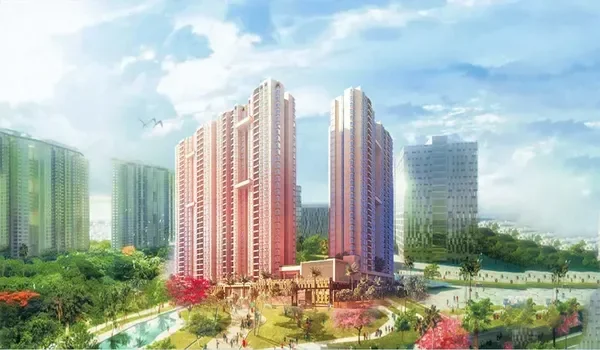
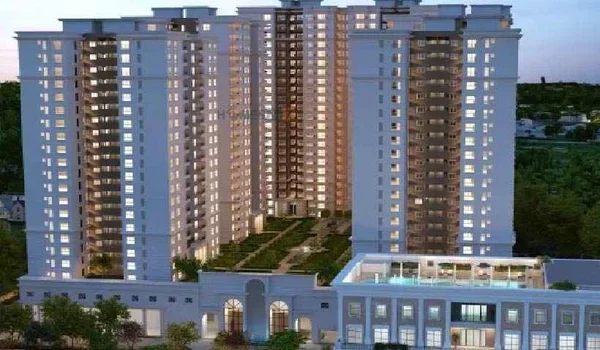
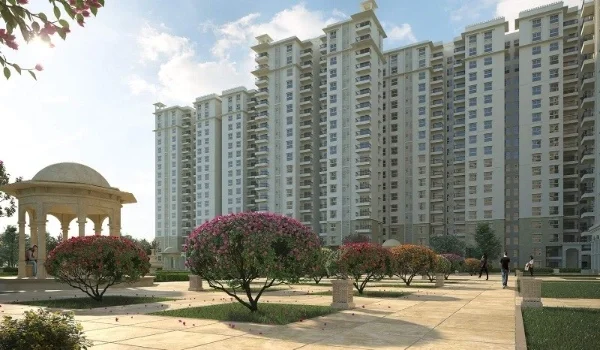
Township maintenance is the regular work done to look after shared spaces like gardens, roads, security systems, and pools in a large housing community. In big projects like Nambiar Beverly Park—a luxury villa township in Bilwaradahalli, Bannerghatta Road, South Bangalore (Phase 1 launched in mid-2024 with possession set for December 2027 under RERA tracking numbers)—this care keeps the property safe and beautiful. Every homeowner pays a monthly or yearly maintenance fee to cover these daily costs. A professional team handles the work under the eye of the residents' association so that water, power, and security run without any stops.

What Is Township Maintenance?


Township maintenance means looking after all the common spaces that residents share outside their private homes. Unlike a single small building, a large township has big roads, parks, gates, and play areas that need daily care to stay clean and safe.

  • Shared Roads: Keeping the internal lanes, walking paths, and parking zones clean and free of damage.
  • Water and Waste: Running the water filtration plants and making sure trash is cleared every day.
  • Fun Spaces: Cleaning the parks and the large clubhouse spaces used by the families in the community.

What Does the Maintenance Fee Cover?


The maintenance fee covers the cost of running, cleaning, fixing, and guarding all the shared spaces in the community. The money collected from every home goes into a single account to pay for a few main services.

1. Cleaning and Housekeeping

Housekeeping services cover the daily sweeping and washing of paths, lobbies, stairs, and roads. Cleaners gather the daily trash from homes and keep all the open spaces tidy.

2. Security Services

Large townships need security teams to monitor entry and exit points and maintain safety within the community.

Maintenance charges may help cover:

  • Security guards
  • Entry gates
  • Visitor management systems
  • CCTV monitoring
  • Security control rooms
  • Patrol services
  • Access cards or digital access systems

3. Lift Maintenance

Lift fees cover the regular checks, oiling, and safety tests needed to keep the elevators working safely. The management team signs a service contract with elevator experts to fix bugs quickly.

4. Landscaping and Garden Care

Green spaces are a major attraction in many township projects. Gardens, lawns, trees, walking paths, and landscaped areas need regular care.

The maintenance team may handle:

  • Grass cutting
  • Plant trimming
  • Watering
  • Tree care
  • Fertilisation
  • Cleaning of garden areas
  • Replacement of damaged plants

A township with large landscaped areas may have higher maintenance expenses because more workers, water, and equipment are required.

5. Swimming Pool Care

Pool upkeep covers daily water cleaning, filter checks, and chemical tests to keep the water safe. This prevents dirt and germs from building up in the shared pool.

6. Clubhouse and Gym Upkeep

Clubhouse fees pay for the power, lights, cleaning, and gym gear repairs in the shared indoor sports areas. Since many people use these rooms daily, the gear needs frequent care.
How Is the Maintenance Amount Decided?


The maintenance fee is decided by taking the total monthly cost of running the township and splitting it among the homes based on their size or a flat rate.

Calculation Method How It Works Best Used For
By Square Foot You pay a set rate for every square foot of your home. Bigger homes pay more. Townships with different home sizes, like small flats and big villas.
Flat Rate Every single home pays the exact same amount each month. Communities where all the homes are roughly the same size.
Mixed Model A flat rate for shared fun spots plus a square-foot rate for building repairs. Communities that want to balance amenity use with repair costs fairly.

What Is a Sinking Fund?


A sinking fund is an extra reserve of money collected from owners to save up for big, future repair jobs. This money is kept safe in a separate bank account and is not used for daily cleaning or guard salaries.

  • Painting: Repainting the outside of all the buildings every few years.
  • New Machines: Replacing broken water pumps or heavy power generators when they get old.
  • Road Fixes: Laying down fresh asphalt on the internal roads if they crack over time.

Who Manages Maintenance in a Township?


Township maintenance is managed by a professional firm hired by the builder at first, and later by a committee elected by the residents.

The professional team takes care of the hard daily work, like running water plants and managing workers. The residents' committee checks the bills, listens to complaints, and approves the budgets.

What Happens When a Resident Does Not Pay Maintenance?


When a resident does not pay Maintenance on time, the management team sends warnings and can cut off access to shared fun spots. Since all services run on shared money, late payments hurt the whole community.

  • Reminders: The office sends letters or texts asking for the overdue cash.
  • Late Fees: Small fines or interest charges are added to the bill.
  • No Clubhouse Access: The resident cannot use the gym, pool, or sports courts.
  • No Gate Passes: Smart tags for cars might be turned off, making entry slower.

Are Electricity and Water Included in Maintenance?


No, the power and water you use inside your private home are not part of the maintenance fee. Every house has its own meters, and you pay for what you use directly to the utility boards. The maintenance fee only pays for the light bulbs on the streets, the clubhouse fans, and the shared water pumps.

Maintenance in Township Communities Like Nambiar Beverly Park


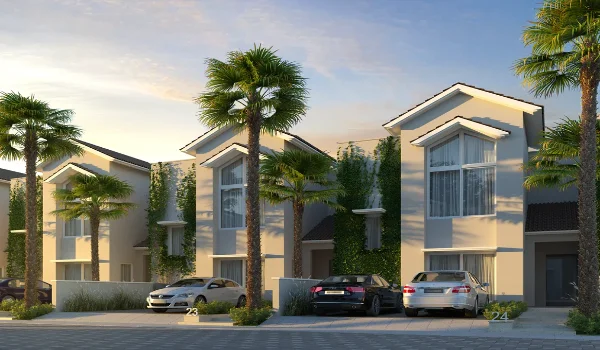
Looking after premium properties like Nambiar Beverly Park takes a lot of care because these communities have large, high-end layouts. With Phase 1 spreading across 36 acres and offering 298 luxury villas, keeping the wide 12-meter roads clean is a big daily task.

Taking care of the six distinct parks and the private villa lifts requires a clear plan. Good care stops the luxury assets from breaking down and keeps villa prices growing well in the South Bangalore real estate market.

Can Maintenance Charges Increase Over Time?


Yes, maintenance charges can go up over time due to rising prices for labor, water, and power. As a township gets older, machines need more repairs, which costs more money. The residents' committee reviews the costs once a year and talks to the owners before changing the monthly fee.

What Should Homebuyers Check Before Buying?


  • The Math: Ask if you will pay by the square foot or a flat monthly rate.
  • Sinking Fund: Find out how much cash you must pay upfront for the big repair fund.
  • Taxes: Check if GST applies to your monthly bill, as that adds to the cost.
  • What is Free: Ask if using the gym and pool is free or costs extra cash.

Regular Maintenance vs. Major Repairs


Regular Maintenance means the small, daily jobs like sweeping floors, guarding gates, and testing pool water. Major repairs are big, rare jobs like fixing broken roofs or changing giant water pipes. Daily fees pay for regular jobs, while the sinking fund pays for the big, rare repairs.

Why Good Maintenance Matters


Good Maintenance keeps the buildings safe, stops parts from breaking, and keeps the market value of your home high. A clean, well-run township attracts good tenants and buyers if you ever want to rent or sell your house. It makes life peaceful and stress-free for all the families living there.

FAQs


1. Do I have to pay maintenance if I do not use the gym or pool?

Yes, you must pay because the fee also covers essential things like security gates, streetlights, and road repairs that benefit everyone.

2. Who fixes a pipe leak inside my own kitchen?

You are fully responsible for fixing any pipe leaks or electrical faults that happen inside the walls of your own private home.

3. How often can the township raise the maintenance fee?

Fees are usually reviewed and adjusted only once a year after the residents' committee looks at the annual bills.

4. Is there GST on housing society maintenance fees?

GST applies only if your monthly fee is more than 7,500 INR and your housing society makes more than 20 lakh INR a year.

5. Do I get my sinking fund money back if I sell my villa?

No, that money stays in the society fund to look after the buildings, but it transfers to the new buyer of your home.

Enquiry
Enquire Now