What to Expect During the Apartment Buying Process
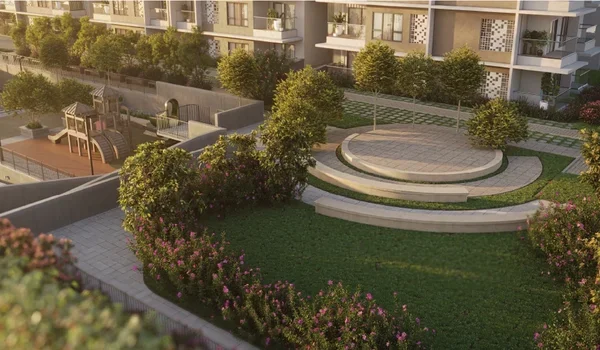
Featured Image of What to Expect During the Apartment Buying Process


Buying an apartment is a big decision, so it is better to know the steps before you start. The process usually starts with setting your budget and choosing the right location and project. You then compare apartments, check the property papers, pay the booking amount, sign the agreement, arrange a home loan, register the property, and finally get the keys. If you are considering a project like Nambiar Beverly Park, knowing these steps can help you plan your money and avoid problems later.
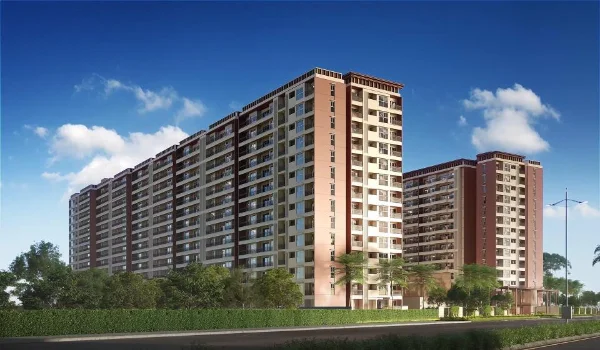

Here is a simple step-by-step guide to help homebuyers understand what happens during the apartment buying process:


1. Set Your Budget First


Your budget is the exact amount of money you can afford to spend on a new home without stressing your finances. A good budget must cover the basic flat cost plus extra fees like stamp duty, registration, GST, and monthly maintenance. Most financial experts suggest that your monthly home loan EMI should never take up more than 40% of your take-home pay. It is also smart to keep some extra savings aside so you do not empty your bank account completely for the down payment.

2. Choose the Right Location


Choosing a location means finding a neighborhood that connects easily to your daily life and work. A great residential area should be close to your office, good schools, hospitals, public parks, and bus or metro stations. Look for upcoming roads or public transport projects in the area, as these will increase the value of your property later on. Always test the daily drive during busy morning hours before you make a final choice on a neighborhood.

3. Shortlist Apartment Projects


Shortlisting projects means comparing different housing societies to see which one gives you the best value. You should check the track record of the builder to ensure they deliver their buildings on time and use good materials. For example, if you look at a major project like Nambiar Beverly Park, you should compare its total price, open spaces, and room sizes with other options nearby. Always focus on the actual indoor carpet area rather than the larger super built-up area.

4. Visit the Property


A property visit is an in-person trip to the construction site to see the actual size and quality of the building. Walking through the space lets you check the view, see how much sunlight comes in, and test the noise levels around the site. It is wise to visit the property once in the morning and once in the evening to see what local traffic is like. Talking to people who already live in the older phases of the project can give you honest details about the builder.

5. Check the Apartment Layout


Checking the layout means looking at how the indoor walls divide the space to make sure the home is comfortable. A smart flat design keeps the bedrooms private and separate from the main living room and entrance. Make sure your kitchen has a simple flow for cooking and that the balconies have enough space for washing clothes. Good window placement is also key because it brings in fresh air and lowers your electricity bills.

6. Verify the Builder and Project Documents


Document verification is a legal safety check to prove that the builder owns the land and has all the correct permits to build. You must look up the project on your state's official RERA website to confirm that the construction timeline is legally tracked. Key papers to look over include the land title deeds, approved building maps, and local environmental clearances. Hiring an independent property lawyer to read these files is the best way to avoid future court cases.

7. Understand the Total Property Cost


The price you see in the advertisement may not be the final price of the apartment. Ask the builder for a full cost sheet and check each charge before making a decision.

Your total cost may include:

  • Apartment price
  • Floor or location charges
  • Parking charges
  • Clubhouse charges
  • Maintenance deposit
  • Corpus fund
  • Utility and other charges
  • GST
  • Stamp duty
  • Registration fee
  • Other government or project charges

8. Compare Home Loan Options


Comparing home loans means shopping around at different banks to find the lowest interest rates and processing fees. You should look at bank offers to see if they use flexible interest rates that drop when market rates go down. Getting a loan pre-approval letter from a bank early on shows the builder that you are a serious buyer with solid backing. Always read the fine print to ensure you can pay off your loan early without facing cash penalties.

9. Pay the Booking Amount


After choosing the apartment, buyers need to pay a booking amount to reserve the flat.

At this stage, the builder provides:

  • Booking form
  • Price details
  • Payment schedule
  • Terms and conditions

Before making the booking payment, always read all conditions carefully.

10. Sign the Sale Agreement


A sale agreement is a legal contract that binds you and the builder to the agreed price and delivery date. This contract lists the exact building materials, room sizes, and the cash penalties the builder must pay you if the project is delayed. Read every single page of this contract carefully and make sure all verbal promises are written down clearly in the text. Never sign a contract that allows the builder to change your flat layout without your permission.

11. Follow the Payment Schedule


A payment schedule tells you when to pay the builder. If you choose a construction-linked plan, you pay as the construction moves ahead. Send the payment details to your bank on time so there is no delay in the loan payment. Keep all your bills, bank papers, and receipts safe.

12. RERA Registered Property


Check the project details on the RERA website before buying. Make sure the project is properly registered and the details match the builder's information. Also, check the property papers to make sure there are no legal issues or ownership problems later.

13. Wait for Construction and Possession


The waiting phase is the time it takes for the builder to finish the structure and get the ready-to-move papers. During this time, check the state RERA portal every few months to see if the builder is uploading regular progress photos. Make sure the builder gets a formal Occupancy Certificate (OC) from the city council before they ask you to move in. Moving into a building without an OC is unsafe and illegal under local town laws.

14. Interior Work and Moving In


After getting possession of the apartment, buyers usually start interior work to make the home ready for living.

This may include:

  • Furniture setup
  • Painting and decoration
  • Electrical fittings
  • Kitchen and storage work

15. Receive the Handover Documents


The last step is to collect all the important papers and keys from the builder. Make sure you get the Occupancy Certificate, tax receipts, house keys, and warranty cards for appliances. Keep these documents safe because you may need them later for paying property tax or selling your home. Once you have everything, you can start moving into your new apartment.

Once all the work is completed, buyers can comfortably move into their new home.

How Long Does the Apartment Buying Process Take?


Buying a flat can take anywhere from a few weeks to a few years depending on the type of property you choose. A ready-to-move-in home can be yours in 30 to 45 days if your bank loan and registration papers are cleared quickly. An under-construction property will usually take 3 to 5 years to build from scratch. For brand-new projects like Nambiar Beverly Park, you must factor in the full build time, making it vital to track construction milestones on the RERA site.

FAQs


1. What is the carpet area in an apartment?

The carpet area is the actual net space inside the walls of the flat where you can lay a carpet. It does not include shared common spaces like the lift area, security stairs, or building lobbies.

2. What is an Occupancy Certificate (OC) and why do I need it?

An OC is a government paper that proves the building is safe to live in and has proper water and power lines. It is illegal to move into a new apartment until the builder receives this official certificate.

3. How can I check if a builder project is safe and legal?

You can search for the project's unique name or registration number on your state's official government RERA website. The site will show you the approved blueprints, land ownership status, and the official completion date.

4. Can a builder change the layout of my flat after I buy it?

No, a builder cannot change the layout or carpet area of your apartment once the sale agreement is signed. Under RERA laws, they must get your written permission before making any structural changes to your home.

5. What are property registration fees?

Registration fees are mandatory government taxes you pay to register the property under your name. This fee includes local stamp duty and court processing charges, which vary based on your state laws.

Enquiry
Enquire Now